
Tank Water Heater
Tank water heaters are the most common type in US homes. Learn how they work, how long they last, and when to
A solar water heater uses panels on the roof to heat water, with a conventional tank or tankless unit as backup. It suits sunny climates best, and it is the only water heater type that runs on sunlight.
Collectors on the roof absorb heat from the sun and transfer it to the water, which is stored in an insulated tank.
On cloudy days or at night, a conventional backup heater — gas, electric or tankless — takes over, so hot water is always available.
A roof that faces the sun, space for the collectors and the tank, and a climate with enough sunny days to make the system worthwhile.
Freeze protection matters in cold climates, and the system needs regular checks on the collectors, the pump and the antifreeze.
In sunny states it can cut water heating energy use sharply, but the upfront cost is higher than a conventional heater.
A provider who installs solar water heating can survey the roof and the home and give an honest assessment.
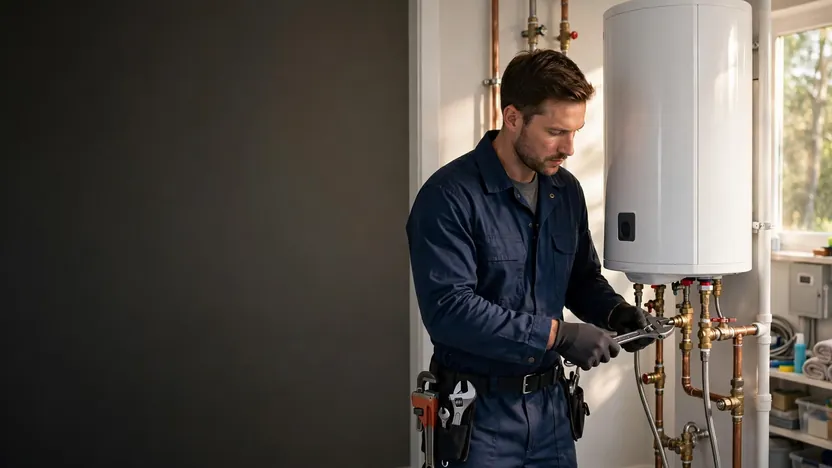
Tank water heaters are the most common type in US homes. Learn how they work, how long they last, and when to
Tankless water heaters heat water on demand, with no tank to run out. Learn how they work, the pros and cons,
Gas water heaters heat fast and work in a power cut. Learn the types, the safety basics, and when to repair or
The collectors typically last many years, and the storage tank follows the same life as a conventional tank. Regular maintenance matters for both.
They produce less heat on cloudy days, which is why every system has a conventional backup heater that takes over automatically.
Yes, with freeze protection. Active systems circulate antifreeze, and the backup heater covers the coldest days.
Call (480) 919-8156 and describe what your water heater is doing. Elite will connect your request with an available independent local provider — the provider handles diagnosis, pricing, scheduling and the work directly with you.