
How to Flush a Water Heater
Flushing removes sediment and helps a tank last longer. Learn the safe steps, the warnings, and when to call a
Checking a water heater anode rod is the single best maintenance job for a tank heater. The rod rusts so the tank does not, and replacing it in time can add years to the tank.
Turn the heater off and the water supply off, then loosen the rod at the top of the tank and pull it out.
A good rod is thick and solid. A rod worn to a thin wire, or one that has broken apart, needs replacing.
Every few years is a good routine, and sooner where water is hard. A provider can check it during a flush, since both jobs need the same access.
If the heater is past five years old and the rod has never been checked, it is worth doing now.
Rods come in magnesium, aluminium and powered types. The right one depends on the water and the smell — some rods cause a sulphur smell in certain water supplies.
A provider can advise on the right rod for your water.
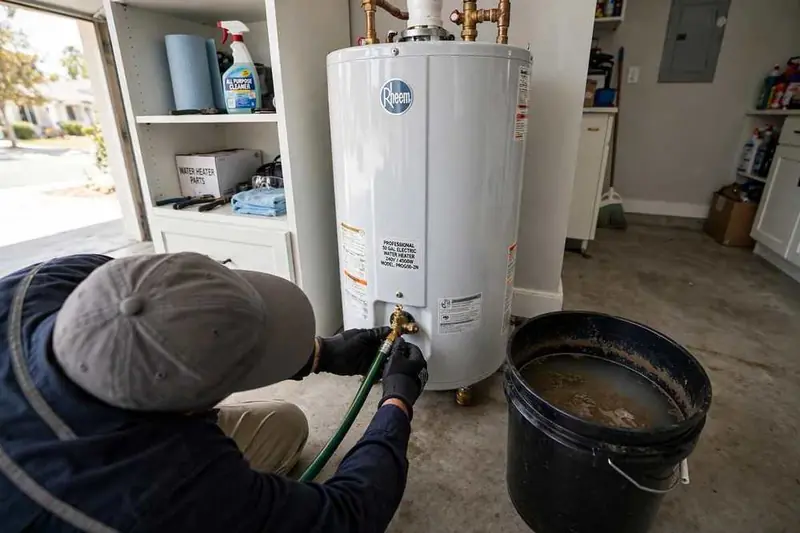
Flushing removes sediment and helps a tank last longer. Learn the safe steps, the warnings, and when to call a
The T&P valve is the safety device that stops a tank from over-pressurising. Learn how to test it safely and w
Diagnosis and repair of tank, tankless, gas and electric units.
Typically three to five years, depending on water hardness and use. Hard water wears rods faster.
It needs the heater off, the water off and the rod pulled from the top of the tank. If the rod is seized or the space above the heater is tight, ask a provider.
The tank starts rusting instead. That is when leaks and rusty water follow, often within a year or two.
Call (480) 919-8156 and describe what your water heater is doing. Elite will connect your request with an available independent local provider — the provider handles diagnosis, pricing, scheduling and the work directly with you.